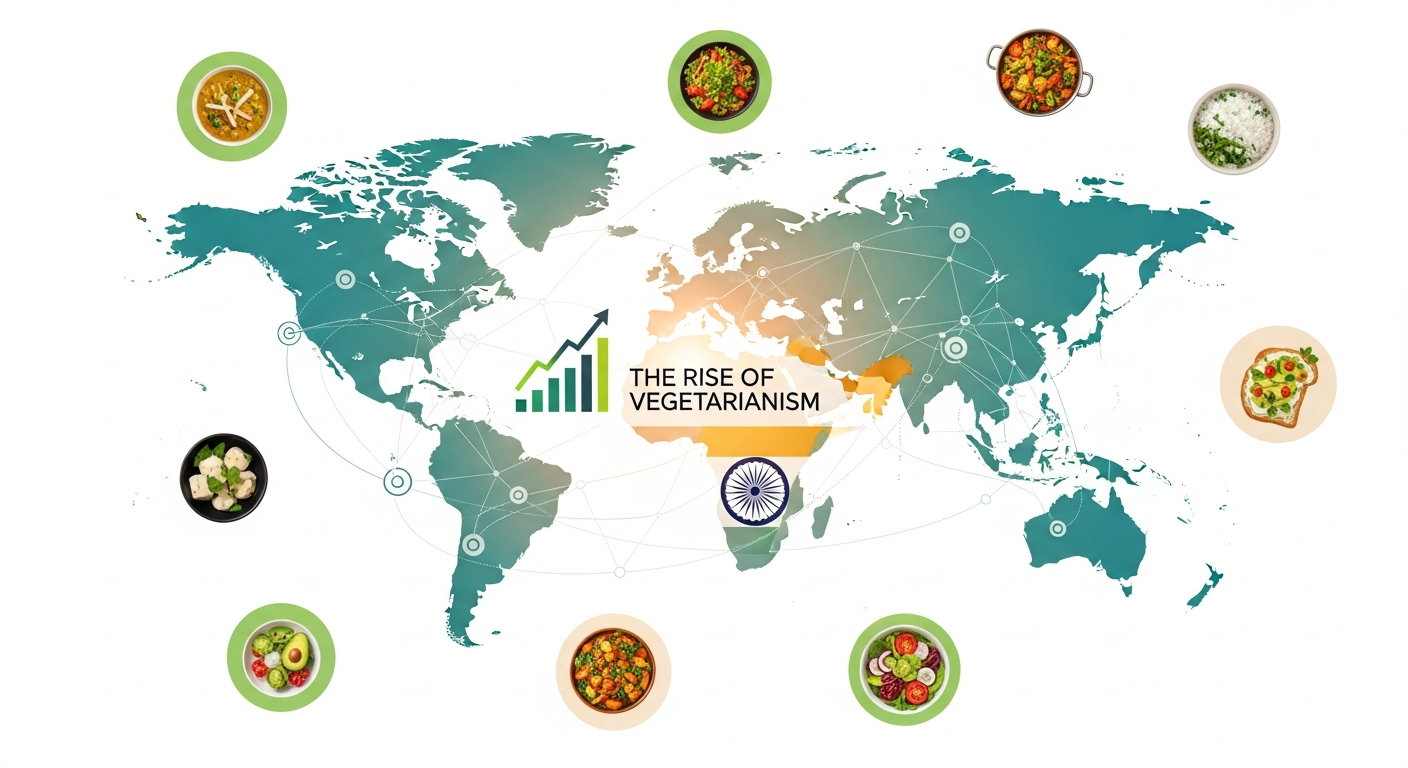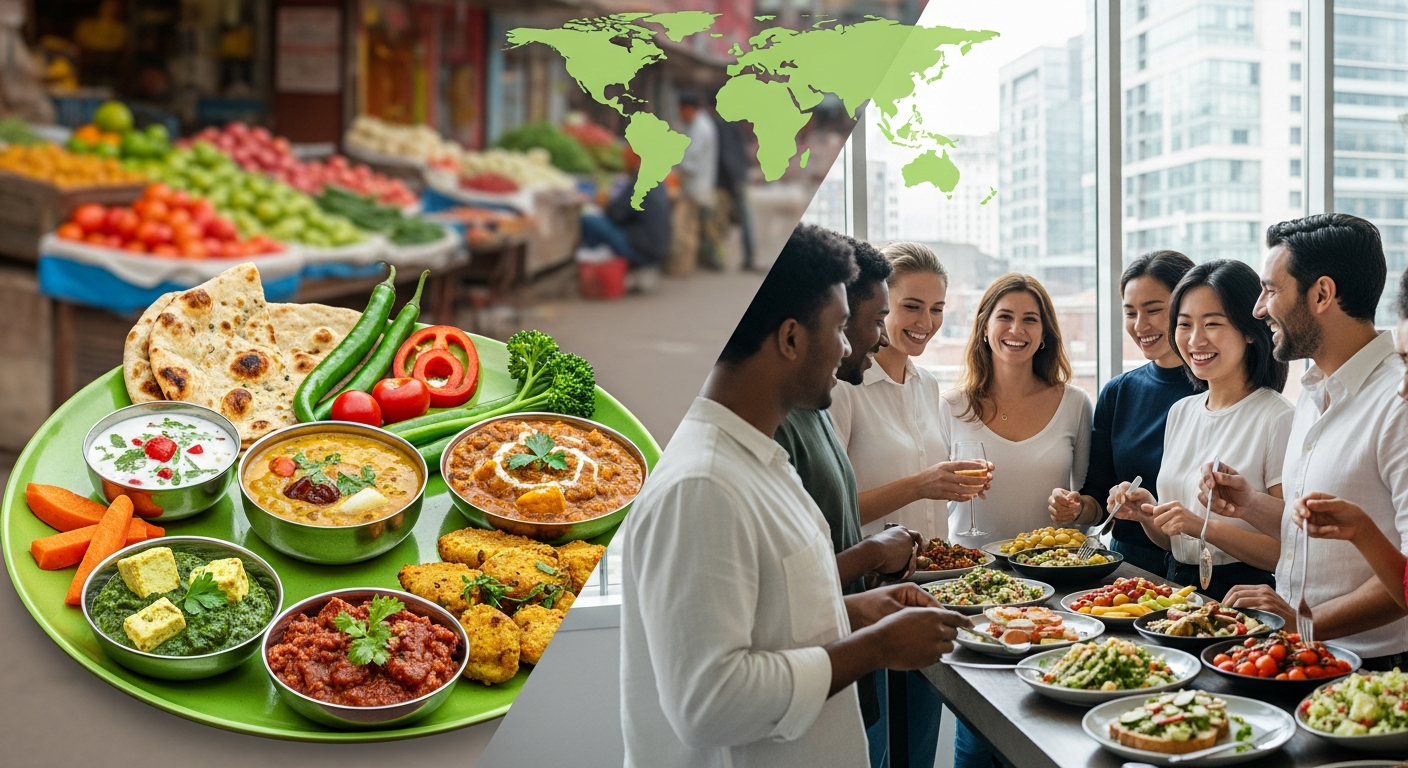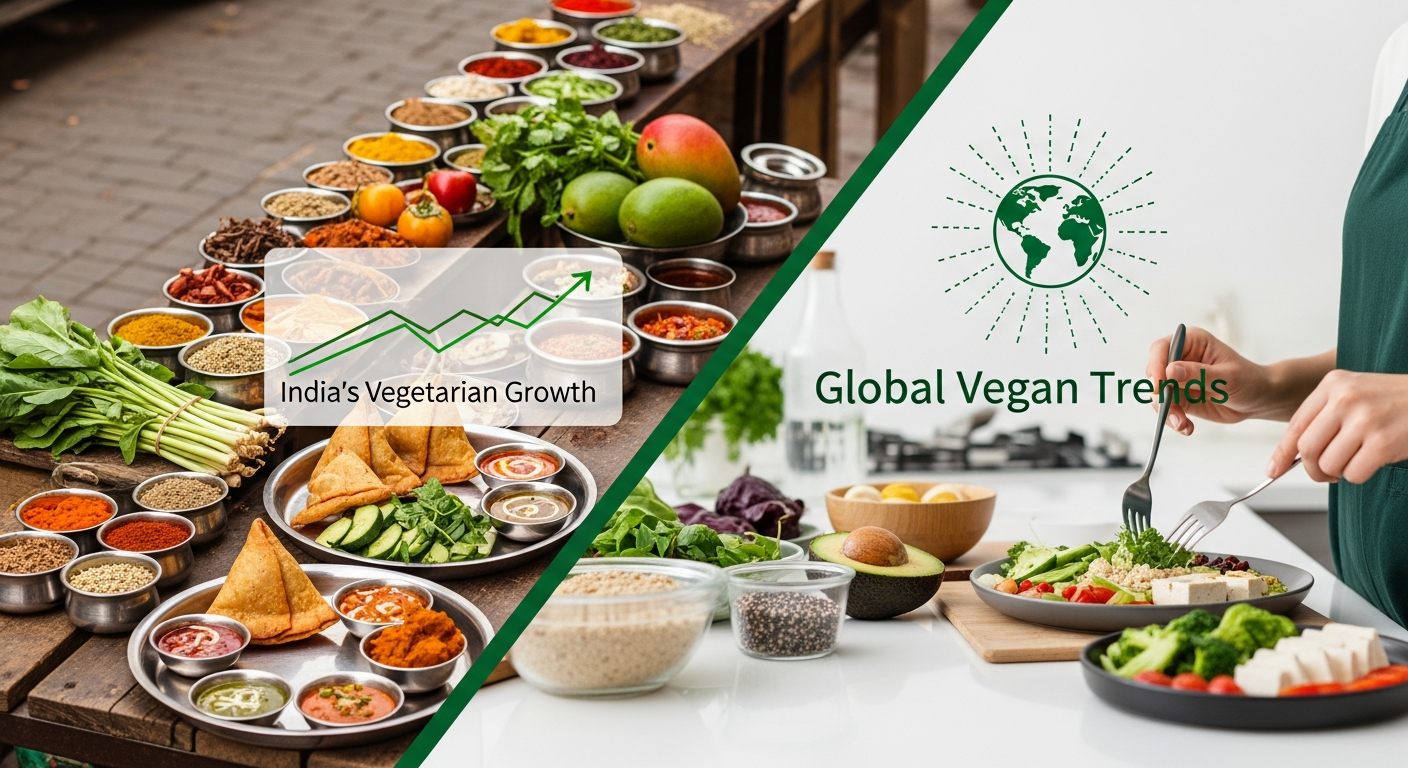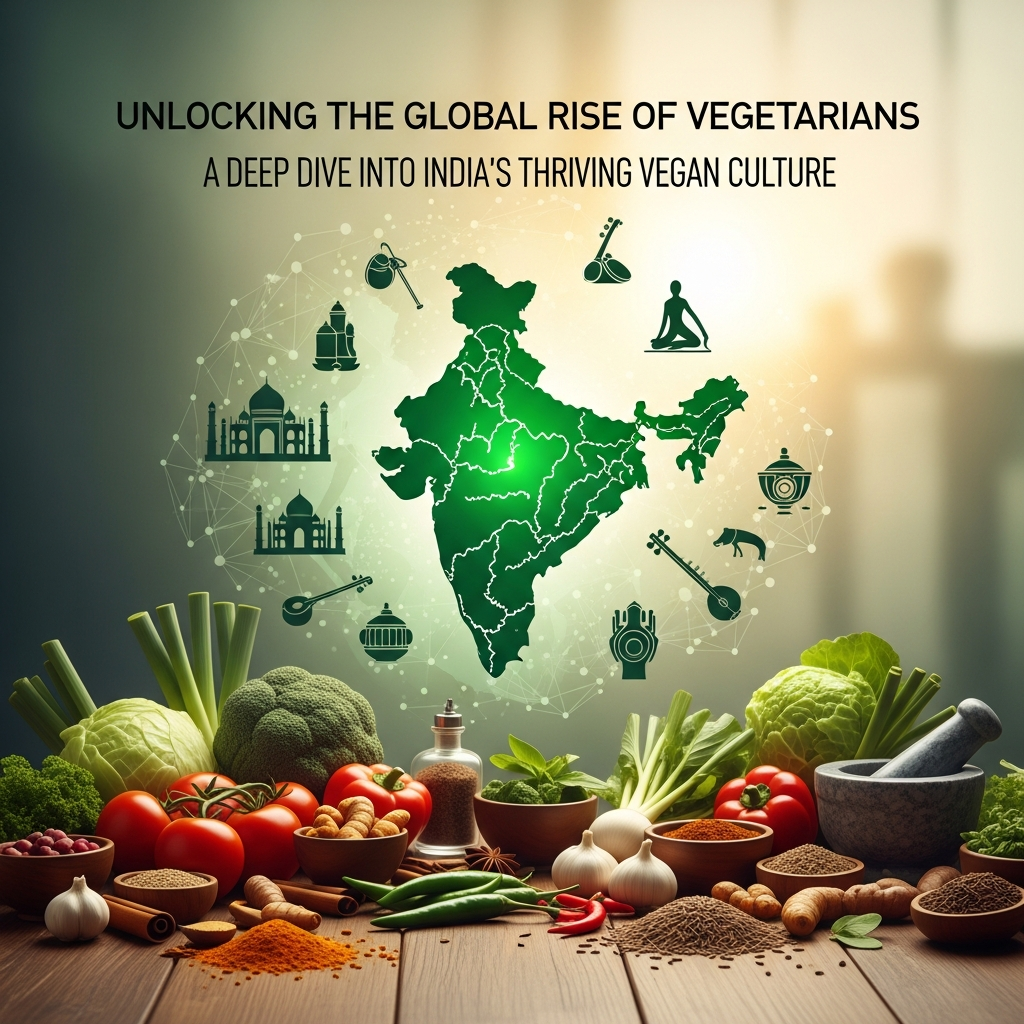
What we eat is more than just sustenance; it's a statement of culture, health, and ethics. In recent decades, a powerful shift has been occurring on plates around the world, as millions of people move towards plant-based diets. This global green wave, a transition from niche lifestyle to mainstream movement, is reshaping agriculture, economies, and our very relationship with food. While this trend feels distinctly modern, its roots run deep, particularly in the rich cultural soil of India, a country that has long served as the global anchor of vegetarianism. This exploration delves into the historical foundations of vegetarianism in India and charts its meteoric rise on the global stage, driven by a new confluence of health, environmental, and ethical concerns.
The Indian Bedrock: A Tradition of Plant-Based Living
Long before vegetarianism became a global trend, it was a deeply ingrained way of life in India, woven into the fabric of its religions, philosophies, and social structures. The principle of Ahimsa, or non-violence towards all living beings, is a central tenet in Hinduism, Buddhism, and particularly Jainism. For millennia, this ethical framework has guided dietary choices, positioning a vegetarian diet not merely as a preference but as a spiritual and moral obligation. This ancient philosophy fostered a culinary landscape where plant-based cooking was not an alternative, but the celebrated norm.
This rich heritage has resulted in one of the most sophisticated and diverse vegetarian cuisines in the world. From the lentil-based dals and chickpea curries of the north to the coconut-infused stews and rice dishes of the south, Indian food demonstrates that a meat-free diet can be incredibly flavorful, satisfying, and nutritionally complete. While it's a common misconception that all Indians are vegetarian, the country has the highest percentage of vegetarians globally. This cultural prevalence means that plant-based options are universally available, from street food stalls to fine-dining restaurants, making it a seamless and integral part of everyday life rather than a dietary restriction.
The Global Shift: Modern Drivers of a Green Diet
While India provides the historical bedrock, the modern global rise of vegetarianism is fueled by a distinctly different set of contemporary concerns. Chief among them is health and wellness. A vast body of scientific research now links plant-heavy diets to a lower risk of chronic diseases, including heart disease, type 2 diabetes, and certain types of cancer. Health organizations worldwide advocate for increased consumption of fruits, vegetables, and whole grains, and a reduction in red and processed meat. This medical consensus, amplified by wellness influencers and social media, has convinced millions to adopt vegetarian or "flexitarian" diets as a proactive measure for long-term health and vitality.
Alongside personal health, planetary health has emerged as an equally powerful motivator. The environmental impact of industrial animal agriculture is staggering and well-documented. Reports from organizations like the United Nations have highlighted the livestock sector as a major contributor to greenhouse gas emissions (particularly methane), deforestation for grazing land, and immense water consumption. As public awareness of the climate crisis grows, many individuals are turning to their plates as a tangible way to reduce their carbon footprint. Choosing a plant-based meal over a meat-based one is increasingly seen as a direct and impactful act of environmental stewardship.
A third pillar of the modern vegetarian movement is the growing concern for animal welfare. The rise of documentaries, investigative journalism, and social media campaigns has shed light on the often-inhumane conditions of factory farming. This increased transparency has sparked an ethical awakening, prompting consumers to question the moral cost of their food choices. For this rapidly growing segment of the population, a vegetarian or vegan diet is a conscious decision to withdraw support from systems they deem cruel and unethical, aligning their consumption with their values of compassion and respect for animal life.
The Plant-Powered Economy and Culinary Innovation
The global shift towards vegetarianism is not just a social trend; it is a major economic force. The demand for plant-based alternatives has ignited a multi-billion dollar industry, with innovation happening at a breathtaking pace. Companies like Beyond Meat and Impossible Foods have revolutionized the market with plant-based burgers that "bleed" and mimic the taste and texture of real meat, attracting even dedicated carnivores. This disruption has forced traditional food industry giants to adapt, with major corporations like Nestlé, Tyson, and Kellogg's launching their own lines of plant-based products to capture a share of this booming market.
This economic transformation is mirrored by a culinary renaissance in kitchens and restaurants worldwide. Chefs are no longer treating vegetarian dishes as an afterthought but as a canvas for creativity and innovation. High-end restaurants are earning Michelin stars for their entirely plant-based menus, showcasing the versatility and depth of flavor that can be achieved with vegetables, fungi, legumes, and grains. Ingredients like jackfruit (for its pulled-pork texture), nutritional yeast (for its cheesy flavor), and aquafaba (whipped chickpea water used as an egg white substitute) have moved from health food stores to mainstream culinary arsenals, pushing the boundaries of what plant-based cooking can be.
Challenges and the Road Ahead
Despite its powerful momentum, the path to a more plant-centric global diet is not without its challenges. One of the most persistent hurdles is the nutritional concern, often encapsulated in the question, "Where do you get your protein?" While a well-planned vegetarian or vegan diet is nutritionally adequate for all stages of life, it requires conscious effort to ensure sufficient intake of key nutrients like vitamin B12, iron, omega-3 fatty acids, and complete proteins. Education and access to fortified foods and supplements are crucial for helping individuals make the transition in a healthy and sustainable way.
Furthermore, cultural and social barriers remain significant. In many societies, meat is deeply intertwined with tradition, celebration, and hospitality. Sharing a meal is a fundamental social ritual, and choosing not to partake in a central dish can create social friction or be misinterpreted as a rejection of one's culture. Additionally, issues of accessibility and affordability are critical. While fresh produce is a cornerstone of a vegetarian diet, food deserts exist in both urban and rural areas. Moreover, many of the highly processed meat alternatives, while convenient, can be more expensive than their animal-based counterparts, creating a barrier for lower-income households. Addressing these issues of education, cultural sensitivity, and economic equity will be essential for the continued growth of the movement.
Conclusion
The rise of vegetarianism represents one of the most significant dietary shifts of our time. It is a movement with a dual identity: one foot planted in the ancient spiritual and cultural traditions of India, and the other stepping boldly into the future, propelled by modern scientific and ethical imperatives. The convergence of health consciousness, environmental urgency, and animal welfare concerns has transformed vegetarianism from a personal choice into a global conversation about sustainability and responsibility. As culinary innovation makes plant-based eating more delicious and accessible than ever, and as the economic landscape shifts to meet the demand, it is clear that this is more than a passing trend. It is a fundamental re-evaluation of our food systems, signaling a greener, more compassionate, and ultimately more sustainable future for a growing global population.