
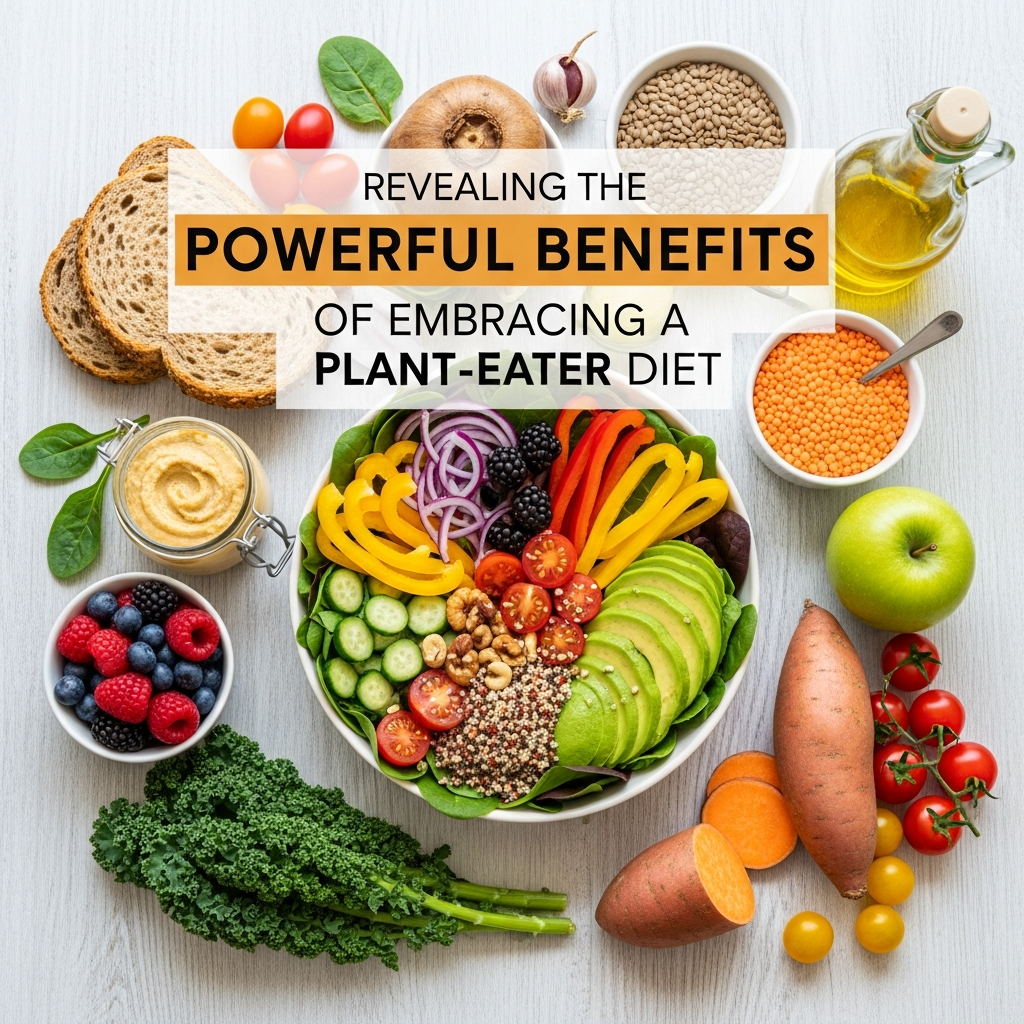
In recent years, the emphasis on healthy living has expanded to include a variety of dietary options. Among these, the plant-based diet stands out for its numerous health benefits. The plant-based diet is not necessarily about abandoning animal products entirely; rather, it involves making plants the cornerstone of your meals. This approach can lead to a healthier lifestyle and significantly reduce the risk of numerous diseases.
What is a Plant-Based Diet?
A plant-based diet is primarily composed of whole grains, fruits, and vegetables. However, it doesn't mean giving up all animal products. Instead, it involves eating mostly plants, allowing for some inclusion of lean proteins like chicken or fish, or plant proteins such as tofu. The main goal is to ensure that plants make up the majority of your diet, aligning with the recommendation to eat meals rich in whole grains, vegetables, fruits, beans, nuts, and seeds.
The Health Benefits of a Plant-Based Diet
Immune System Boost
One of the most compelling benefits of a plant-based diet is its ability to support the immune system. Plants are rich in essential nutrients like vitamins, minerals, phytochemicals, and antioxidants that help maintain cellular health and balance within the body. These nutrients enable the immune system to function optimally, protecting against infections and even chronic diseases such as cancer. A healthy immune system can recognize and attack mutations in cells before they progress into diseases.
Reduction in Inflammation
The antioxidants found in plants are powerful agents that neutralize toxins from pollution, processed foods, and pathogens. By reducing inflammation, these antioxidants help prevent damage to the body's cells and tissues. Chronic inflammation is linked to various diseases, including cancer and arthritis. Therefore, incorporating more plant-based foods can alleviate symptoms like post-meal sluggishness and contribute to overall well-being.
Weight Management
Maintaining a healthy weight is crucial for reducing cancer risk, as excess weight can lead to inflammation and hormonal imbalances. By opting for plant-based foods over processed ones, individuals consume fewer calories while obtaining essential nutrients. This dietary shift supports weight loss by reducing calorie intake and promoting satiety with fiber-rich foods.
Gut Health Improvement
Fiber is an essential component of plant foods that improves gut health. It aids in nutrient absorption, which supports the immune system and reduces inflammation. Fiber also helps lower cholesterol, stabilize blood sugar levels, and promote regular bowel movements. This is especially important for reducing the risk of colorectal cancer.
Reduced Risk of Heart Disease
A plant-based diet is also associated with a reduced risk of heart disease. By consuming more plants, individuals can lower their cholesterol levels and blood pressure, key factors in preventing cardiovascular conditions.
Practical Tips for Embracing a Plant-Based Diet
Transitioning to a plant-based diet can be daunting, but there are simple ways to incorporate more plant foods into your meals:
Ultimately, the best plant-based options are those you will actually consume regularly. Embracing this diet can lead to improved health outcomes and a greater sense of well-being.
For more information on how a plant-based diet can enhance your health, consider visiting MD Anderson Cancer Center.
This article draws upon data provided by MD Anderson Cancer Center's comprehensive overview of the benefits associated with adopting a plant-based diet.