
In recent years, the vegetarian lifestyle has gained significant traction as people become more conscious of their health and the environment. Whether you're considering transitioning to a vegetarian diet or are already a devoted veggie lover, this guide will provide you with essential information and insights on how to maintain a nutrient-rich vegetarian lifestyle.
Understanding the Basics of Vegetarianism
At its core, vegetarianism is a dietary choice that excludes meat, fish, and poultry. There are several variations within vegetarianism, including lacto-vegetarian (includes dairy), ovo-vegetarian (includes eggs), and lacto-ovo vegetarian (includes both dairy and eggs). Each type offers unique nutritional benefits and requires careful planning to ensure a balanced diet.
Nutritional Benefits of a Vegetarian Diet
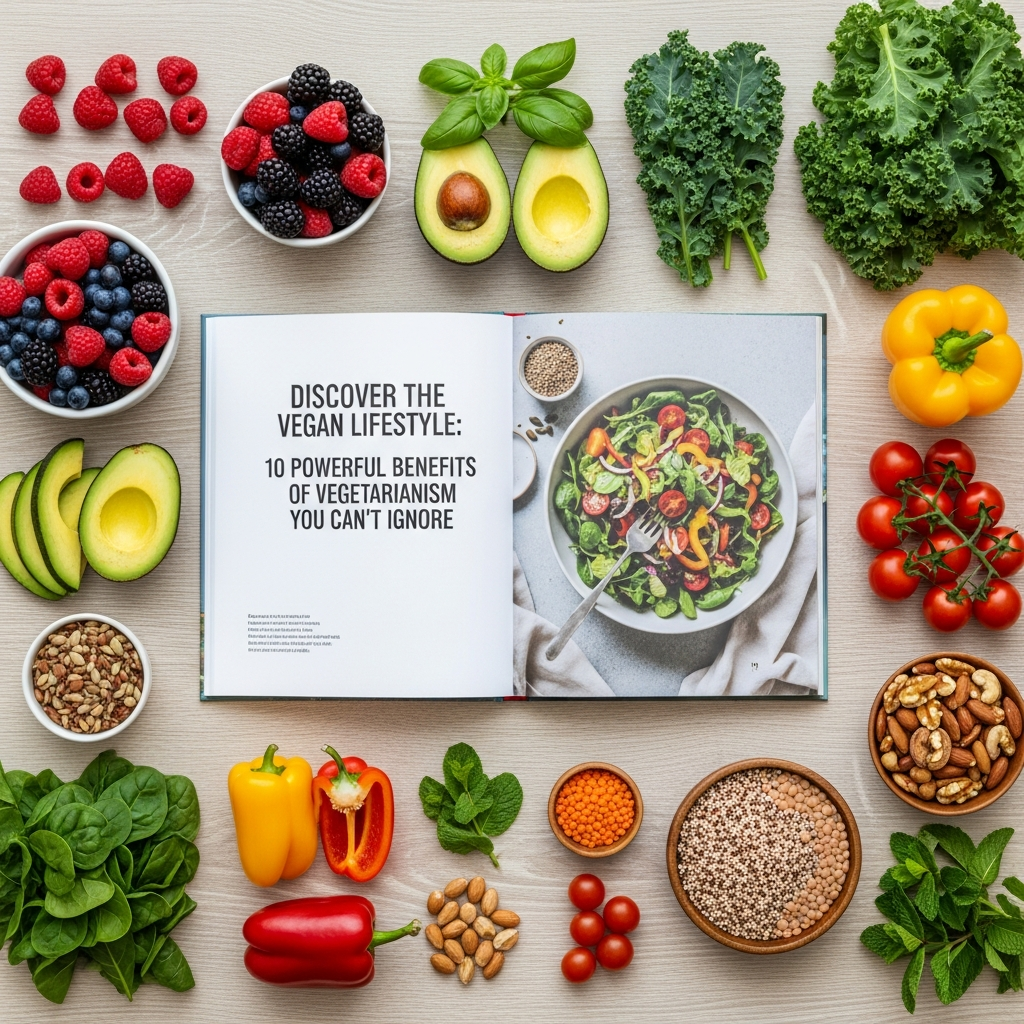
A well-planned vegetarian diet can offer numerous health benefits. Studies have shown that vegetarians tend to have lower cholesterol levels, reduced risk of heart disease, and lower blood pressure. Moreover, a vegetarian diet is often rich in antioxidants, fiber, vitamins, and minerals.
Essential Nutrients for Vegetarians
Protein
One of the main concerns for vegetarians is ensuring adequate protein intake. Plant-based protein sources include beans, lentils, tofu, tempeh, quinoa, and nuts. Incorporating a variety of these foods into your diet can help meet your daily protein requirements.
Iron
Iron is another crucial nutrient that vegetarians need to monitor. Plant-based sources of iron include spinach, lentils, chickpeas, and fortified cereals. Consuming these foods alongside vitamin C-rich foods can enhance iron absorption.
Vitamin B12
Vitamin B12 is primarily found in animal products, making it essential for vegetarians to seek fortified foods or supplements to meet their needs.
Tips for Transitioning to a Vegetarian Diet
If you're considering making the switch to a vegetarian lifestyle, here are some tips to ease the transition:
Potential Challenges and How to Overcome Them
While adopting a vegetarian lifestyle offers many benefits, it can also present challenges. One common issue is the perception that vegetarian diets are less satisfying or varied. However, with creativity and proper planning, vegetarians can enjoy diverse and delicious meals.
Conclusion
Embracing a nutrient-rich vegetarian lifestyle is a rewarding journey that benefits both personal health and the environment. By understanding the nutritional needs specific to vegetarians and making informed dietary choices, you can thrive on this path. Remember, it’s important to consult with a healthcare provider or nutritionist when making significant dietary changes to ensure you meet all your nutritional needs.
For more in-depth information on maintaining a healthy vegetarian diet, consider exploring resources like _The Vegetarian Ultimate Guide_.