Introduction
The vegan lifestyle has moved from the fringes of health food stores and activist circles into the mainstream, embraced for reasons ranging from animal welfare to environmental sustainability and personal wellness. But for many, the transition from a traditional diet to plant-based living can seem daunting. This comprehensive guide aims to demystify veganism, offering practical strategies, nutritional guidance, and real-world insights to help aspiring vegetarians unlock a vibrant, sustainable, and nourishing vegan lifestyle.
The Roots of Veganism: A Timeless Tradition
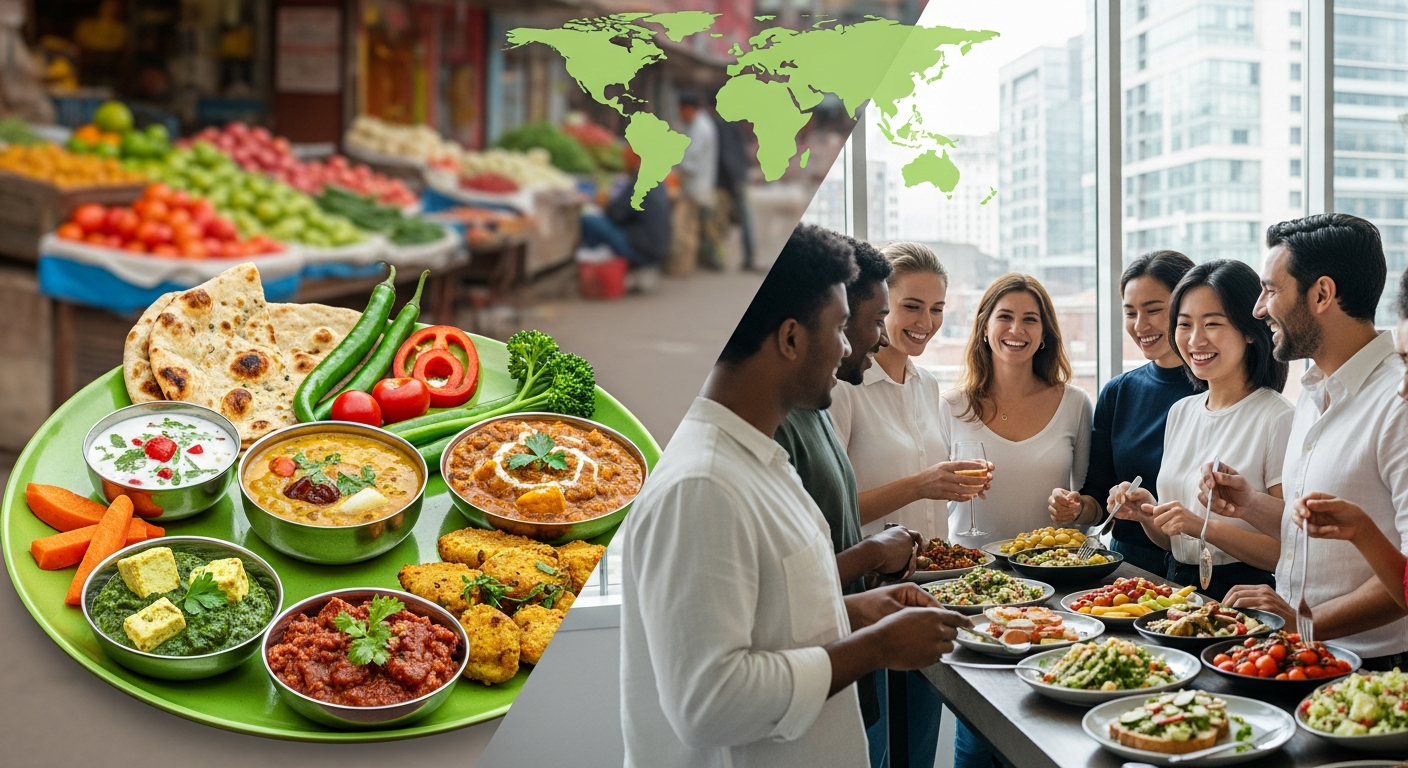
Veganism may feel like a modern trend, but its origins stretch back centuries. Many ancient cultures practiced forms of vegetarianism for religious, ethical, or health reasons. Today, the movement is buoyed by a growing body of research highlighting the health benefits of plant-based diets, including lower risks of heart disease, diabetes, and certain cancers. As noted in a popular vegan cookbook summary, vegan cooking has evolved far beyond bland salads and simple grains; it now boasts a diverse array of flavorful dishes inspired by global cuisine.
Embracing Change: A Gentle Transition to Vegan Living
Start with Familiar Foods
Transitioning to a vegan lifestyle doesn't require an all-or-nothing leap. Experts recommend beginning with what you already enjoy. Staples like rice and beans, pasta tossed with greens, or hearty vegetable stir-fries are naturally plant-based and don't demand elaborate recipes. The key is to build meals around existing favorites—think oatmeal with fruit, vegetable curries, or bean tacos.
Focus on Progress, Not Perfection
Many newcomers worry about making mistakes—accidentally consuming animal-derived ingredients or struggling in social settings. The journey is rarely flawless. As one writer shares, "one imperfect day doesn't define commitment, the key is consistency over time." Practicing self-compassion and viewing veganism as a gradual journey makes the process more sustainable and enjoyable.
Navigating Social Situations
Social occasions can be challenging for new vegans. Family dinners, work lunches, or dining out may test your resolve. Strategies that help include bringing your own dish to gatherings, sharing plant-based meals with friends, and letting go of the expectation to convert others. The focus should be on your own well-being and authenticity.
Nutrition: Building a Balanced Vegan Diet
Key Nutrients to Consider
A well-planned vegan diet can meet all your nutritional needs. The foundational elements include:
| Nutrient | Plant Sources | Notes |
|---|---|---|
| Protein | Legumes, tofu, tempeh, nuts, seeds | Combine different sources for complete amino acids |
| Iron | Lentils, chickpeas, spinach, quinoa | Pair with vitamin C-rich foods for better absorption |
| Calcium | Fortified plant milks, leafy greens | Check labels for calcium content |
| Omega-3s | Flaxseeds, chia seeds, walnuts | Consider algae-based supplements |
| Vitamin B12 | Fortified foods or supplements | Not found in plants; supplementation essential |
| Vitamin D | Sunlight, fortified products | Supplement in low-sunlight regions |
| Zinc | Whole grains, nuts, seeds | Soak or sprout beans/seeds for better absorption |
The only nutrient consistently missing from plant foods is vitamin B12. It's recommended that all vegans take a B12 supplement to ensure optimal health.
Addressing Common Concerns
Some introductory guides offer basic lists of substitutes—like using almond milk instead of dairy or flaxseed meal as an egg replacer—but may lack depth on nutrition. It's important to go beyond simple swaps by understanding how to combine foods for balanced meals and maintain adequate intake of essential nutrients.
For those seeking more than just surface-level advice, look for resources that provide detailed guidance on meal planning and nutrition rather than just common sense suggestions like "eat more vegetables."
Stocking Your Vegan Pantry
A well-stocked pantry is the backbone of effortless vegan cooking. Consider these essentials:
Easy Vegan Recipes for Every Day
You don't need a library of cookbooks to get started. Keep it simple:
For parties or special occasions, try roasted vegetable platters or stuffed bell peppers—dishes that satisfy vegans and omnivores alike.
Overcoming Challenges and Staying Motivated
Common Hurdles
Solutions
The Bigger Picture: Wellness Beyond Food
Adopting a vegan lifestyle isn't just about what's on your plate. Many find that the process encourages self-discovery and personal growth. Whether it's learning to navigate social situations with grace or developing greater compassion—for yourself as much as for animals—veganism can be a pathway to holistic well-being.
As reflected in personal narratives about plant-based living and aging gracefully, authenticity and self-compassion are crucial. Rather than striving for rigid perfectionism or obsessively tracking every nutrient, focus on building habits that foster joy and sustainability in your life.
Conclusion
Unlocking the vegan lifestyle is less about restriction and more about curiosity and exploration. By starting with familiar foods, focusing on balanced nutrition, stocking a plant-powered pantry, and embracing gradual change with self-compassion, anyone can embark on this rewarding journey. Remember: consistency matters more than perfection—every plant-based meal is a step toward better health for yourself and the planet.
Ready to take your first step? Trust the process—and enjoy the adventure.